A BEACON in the Storm: A journey of perseverance marked by resilience and determination
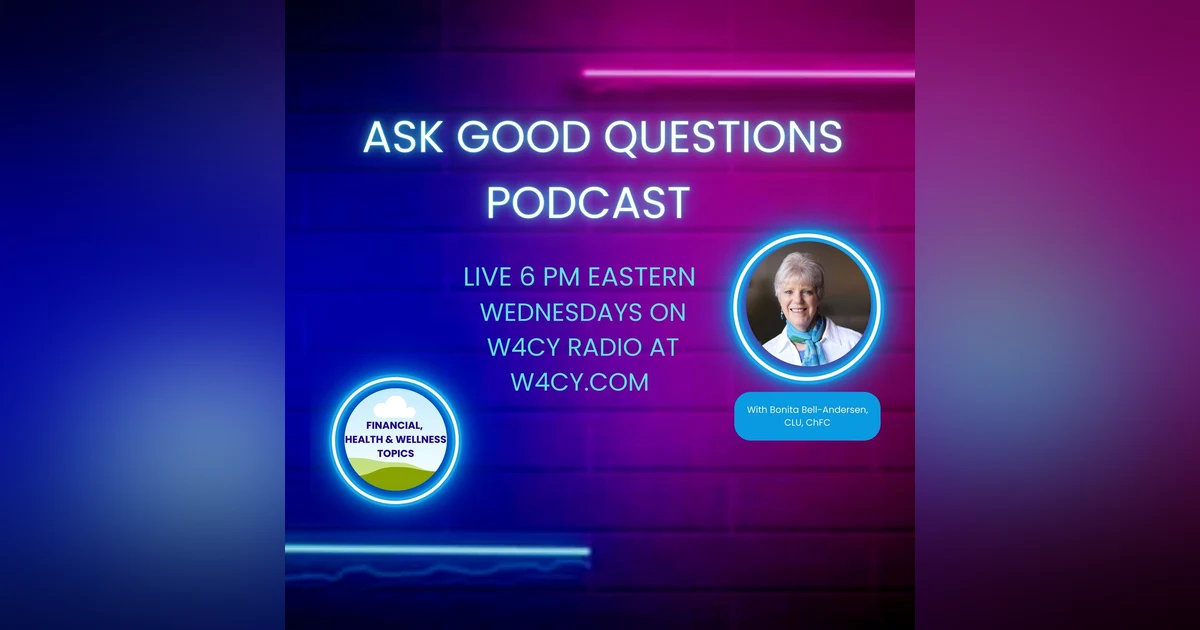

Join Bonita with special guest Michael Price. Mike has been a healthcare executive, and today’s episode will focus on the story of his pitfalls & how to avoid them as a leader. He will discuss the major burnouts he has dealt with, the health...
 iHeartRadio iHeartRadio
 Spotify Spotify
 Amazon Music Amazon Music
 Pandora Pandora
 Apple Podcasts Apple Podcasts
 Podchaser Podchaser
 Deezer Deezer
 Audible Audible
 Youtube Music Youtube Music
 Spreaker Spreaker
 Podcast Addict Podcast Addict
 YouTube YouTube
 Castbox Castbox
 Podverse Podverse
 Podurama Podurama
 PocketCasts PocketCasts
 Overcast Overcast
 Goodpods Goodpods
 Fountain Fountain
 Podyssey Podyssey
 Castro Castro
 Castamatic Castamatic
 RSS Feed iHeartRadio iHeartRadio Spotify Spotify Amazon Music Amazon Music Pandora Pandora Apple Podcasts Apple Podcasts Podchaser Podchaser Deezer Deezer Audible Audible Youtube Music Youtube Music Spreaker Spreaker Podcast Addict Podcast Addict YouTube YouTube Castbox Castbox Podverse Podverse Podurama Podurama PocketCasts PocketCasts Overcast Overcast Goodpods Goodpods Fountain Fountain Podyssey Podyssey Castro Castro Castamatic Castamatic
Join Bonita with special guest Michael Price. Mike has been a healthcare executive, and today’s episode will focus on the story of his pitfalls & how to avoid them as a leader. He will discuss the major burnouts he has dealt with, the health issues that came about because of them, how he dealt with them, and how he focuses on his well-being today. Join us for an insightful discussion on a very important topic!
Ask Good Questions is broadcast live Wednesdays at 6PM ET on W4CY Radio (www.w4cy.com) part of Talk 4 Radio (www.talk4radio.com) on the Talk 4 Media Network (www.talk4media.com). Ask Good Questions is viewed on Talk 4 TV (www.talk4tv.com).
Ask Good Questions Podcast is also available on Talk 4 Media (www.talk4media.com), Talk 4 Podcasting (www.talk4podcasting.com), iHeartRadio, Amazon Music, Pandora, Spotify, Audible, and over 100 other podcast outlets.
Become a supporter of this podcast: https://www.spreaker.com/podcast/ask-good-questions--6441735/support.
0:00 The topics and opinions expressed in the following show are solely those of the hosts and their guests and not those of W FOURCY Radio. It's employees are affiliates. We make no recommendations or endorsements for radio show programs, services, or products mentioned on air or on our web. No liability explicit implies shall be extended to W FOURCY Radio or it's employees are affiliates. Any questions or comments should be directed to those show hosts. Thank you for choosing W FOURCY Radio. Welcome to to Ask Good Questions podcasts, broadcasting live every Wednesday, six pm Eastern Time on W four CY Radio at W fourcy dot com. This week and every week, we will reach for a higher purpose in money and life, as well as a focus on health and wellness. Now, let's join your hosts, Vanita Bell Anderson as together we start with Asking Good Questions.
1:01 Hello, and welcome to the podcast. We are so excited that you're here with us today. And today I have a very special guest, another one of those great stories of overcoming and resilience. His name is Michael Price, and I'd like to invite him into the studio. Now, there he is welcome Michael. Well, I'm happy to be here. Well, great, Michael is coming to us from Charlotte, North Carolina, and I, of course am coming at you from Saint George, Utah, where normally it's been like seventy eighty degrees, but today it's raining, so it's okay. It's a good day for a podcast. So let me tell you a little bit about Mike and this this is his words, and this is a faith filled man, he says. He is a man who loves Jesus. First, he is married to his wife Lease of twenty six years. Together, they have two adult children and two grandchildren, So he's a grandpa. Are they there in Charlotte? Yes, Oh awesome, that's the best.
2:13 And what are their ages? What are their grandchildren's ages? Sixteen months and fourteen months? Oh, you're just having way too much fun. Then I'm having a blast. So he is a business executive on a mission. He is helping executives and entrepreneurs build thriving careers without sacrificing their faith, their health, or their well being. He is the vice president of business development for Orient Groups I had to go look them up, and was recently named president of the c suite for christ Charlotte Market. Michael is dedicated to guiding high level professionals towards success with purpose.
3:00 His journey to leadership hasn't been without challenges. He's battled anxiety, depression, and was diagnosed with multiple sclerosis, struggles that nearly derailed his career in professional life, But instead of letting them define him, he used those hardships as a catalyst for growth. Now he's committed to helping leaders avoid burnout, embrace faith driven leadership, and learn from his past mistakes. He is building a powerful community of faith based business leaders, and his message is clear. Success should never come at the cost of your well being. Ain't that the truth. He is an acquiring author, with his first books set to be released later this year. That's awesome. We'll have to have you back when you got it done. His passion for faith, leadership and resilience make him a powerful advocate for professionals seeking to lead with integrity without burning out.
4:13 Such a powerful message in today's world. Well welcome, Mike. Well thanks, Anita, I'm really really excited to be here and talk to you today. Well great, So in that little introduction we talked about some adversity that you've faced. Can you tell us a little bit more about that background. Yeah, So I'll go through this pretty quickly and we can unpack whatever you want to unpack and go down whatever roads you want to. So I'm going to take everybody back to nineteen ninety eight. Ninety eight, I was struggling. You wouldn't see it from the outside looking in. I just built my first house, had a great job, great family, great community, and I just was struggling, you know, and dealing with depression, dealing with low self esteem. And it all culminated in February of ninety eight when I tried to commit suicide. But you know, you know, you go through things like that and you realize, you know, you mentioned, I'm a man of faith, so God had other plans for me, and it really launched me on my journey from that point forward. And we fast forward a little bit in two thousand and two, working for my dad inn the business. We were living in Orlando, Florida at the time, but when nine to eleven hit, it really destroyed our business and it took about half our revenue away from us. So I ended up getting fired by my dad. But It was probably one of the best things for my career because it launched me into healthcare, where I spent over twenty years of my career in culminating with my last few executive positions. But if we
5:46 fast forward a little bit more, talking about versary twenty sixteen, I experienced about with blindness in my right eye. I actually went completely blind in my right eye, and it was like that for about about a month until I started regaining went through a lot of tests, a lot of treatments, gained back about half the sight in that right eye. Today, I'll tell you I can't even tell that that there's issues there. And then fast for a little bit more. Twenty one twenty two, I had back to back heart attacks. And as we talk about adversity and then we talk about what you should not do in my heart attack. In twenty twenty one, I had the heart attack on a Saturday. I had stints on a Sunday, and I went back to work on Monday. I would never buy anyone I did. That's my claim to fame. I'm not sure if it's really a claim.
6:33 But then in twenty twenty two, I had another heart attack on set on labor day of twenty twenty two, September sixth, and I took six weeks off and really that that's really when I figured out that. You know, you know, so many leaders think that it's selfish to put some focus on yourself. I'm here to tell you if you don't put the right amount of focus on your well being, your cup's going to be empty and you have nothing to give your organization. You have nothing to give your team. And then we'll talk about that, you member then. And then last year I was diagnosed with multiple storroses. You would think it came out of left field, but in twenty twelve, that's when I first had the MRIs and they first discovered the lesions, but we just didn't do anything about them until twenty twenty four and started infusion treatments last year, and that's what led to me retiring early from health care. I still do some consulting in health care, but I'm a different person than I was in sixteen, twenty one, twenty two, and even in twenty twenty four today on how I care for myself and the amount of focus I put on my well being.
7:43 Wow, Well, now when you say healthcare, what the experience I've had with those types of people have been like hospital administrators, is that the sort of thing that or or like a clinic administrator? Is that the sort of thing that you were retiring from. It's such a little different path. So I started as an EMT in the er in Orlando. I ended my career as the vice president of claying Delivery at Tenant Healthcare out of Dallas. And essentially what I did is I had oversight for the Project management Office, the field services or IT folks out across our thousand facilities. And then I had what's a team called the clinical in from Matis's teams, and they deal with things that had to pertain with workflow for physicians and nurses. And then I also had a team that handled acquisitions and divestitures from an IT perspective, but I.
8:38 Can see where that might completely overwhelm you. Oh yeah, yeah, out about three hundred people. And I will tell you when I was in it, I thought, listen, I will tell you right now, no one is successful multitasking. I thought I was a professional multitasker. I had three jobs that spread across different companies. Because we're a we are a large organization. And essentially had four organizations. But yeah, burnout is a real thing, and it can happen to anyone, especially when when you don't listen to what your body's telling you and you just keep going and going. I'm with you. I've been a multitasker pretty much my whole adult life.
9:21 But I asked myself questions about things about whether they really need to be done or not. What's most important. I'll do that now. I should we should have we should have met ten years ago. Yeah, well, okay, So the other thing that I'm that you haven't really talked about, but it's kind of for me. It's in the background. What about family going through? You know, you've got all this business stuff going on, and how did this adversity in your life impact family? Yeah, so I will tell you so. I impacted negatively my family, my time, my relationships. But as I began to focus more on myself, I really became more intentional about the time that I spent with my wife you mentioned earlier, my wife for twenty six years. I've got a twenty five year old and twenty two year old, both have families. I have grandchildren, one from each one of them, and it really made me focus on my quality time. Listen, when I was in the midst of my healthcare executive role, I would be on this podcast with you, I would have my I pad over here, check an email, and I potentially may even be on another call in my other ear when I was really multitasking.
10:41 Wow. So I've eliminated all of that, and I really am intentional about right now. Right now, sixty seven is time with Bonita, you know. You know. After that is family time, you know, and listen. So many people think that you can't put time for yourself on your schedule. Your calendar will let you do that, and you should do that. So I've become more intentional and my time is quality time with my family. Well, there's a I don't remember exactly the saying, but there's a saying that talks about if you don't make time for your health and your family, then down the road you're gonna have to make time because your health will deteriorate and you won't be able to take care of anything or anybody. And I firmly believe that. Well, let's talk about probably that lowest point there. You had talked about one of the hardest battles that you walk through was depression and even a suicide attempt. You know what's interesting, Mike, I had a conversation earlier today with a gal whose husband committed suicide three years ago, and she is still trying to wrap her head around that they have kids and everything. And so I thought, well, that's interesting that, you know, because I I don't know how you how you get to such a low point that you even consider that.
12:09 So can you take us back to that season? What was happening in your life and what led you to that breaking point? Yeah? So, so first of all, it was just a you know, like I said earlier, you know, I had just built my first house, had a great job, great relationships, and a wonderful, loving family. But my self esteem had when we moved from North Carolina to Florida. I said this earlier. So I was a country boy in North Carolina. It's good to be a country boy in Orlando. You know, when you're when you're transitioning and you're still in middle school, it's not so good to be a country boy. And so my self esteem started to get impacted. They're not blaming the move, but that's just that's where it still began to happen, and so by the time nineteen that was an eighty seven. By the time I rode around in ninety eight, I hadn't done anything to resolve any of those issues I was dealing with, and I had a hard time asking for help. So the first thing I would tell someone that maybe listening to this and maybe battling with a similar issue, is it's okay to ask for help. And that's different for everybody. For some people that's professional help. For some people it's a friend or family member. And then to that family member of a friend, all you have to do is listen. Because I didn't think I could ask for help. So I was battling the depression dark moment in my time. I didn't think I could ask for help, and you know,
13:41 my self esteem. I didn't like myself. I didn't like how I looked and talked and walked or really anything. And so I just got to a point where I said, Okay, it's enough, and it's and I'm very transparent these days. It took me twenty seven years to talk about this, and you're the fourth or fifth person and show that I've talked about this on so it was tough my choice of an attemptless pills, and it was hard to take the first one, but the next twenty were easy. So and I was alone in my home, and I serve a big god that right after the attempt, my parents showed up at my house, and I just I only recently asked my parents last month February why they showed up at my house twenty seven years ago, and they said something told us we needed to come to your house, and my mom said, we need to go.
14:42 My dad said, no, let's not go right now. So I'm glad he listened to my mother. And then when they got to the house, I don't remember them being there. I remember I can vividly remember steal the attempt. I don't remember them arriving or carrying me to their car, but I remember being in their car. But they knew, they knew that you'd taken a bunch of hills. They did not because my mom told my dad we have to go to the hospital, and he said, I don't know why we need to go, and she said, we just need to go. And then at some point after that they discovered I had taken your mother, Thank goodness, she was yes, mom's intuition, it's a real thing. So so we got to the hospital, you know, and I went through, uh, you know, several different tests and things that needed to be taken care of for life saving measures, and so grateful to that team. And I spent a few days in the hospital and then went through a process to to to begin healing and to begin recovery.
15:46 So did they figure it out in the hospital. They did, Yeah, they figured they actually figured My parents figured it out on the way the hospital because, believe it or not, one of their best friends was the pharmacist. So my my mom just got on the phone with a pharmacist friend and she told and what to do and got to the er and and yeah, you know, it's it's uh, it's a miserable process to have to go through, but it's it was a process I needed to go through to rid my body of what I had ingested. Right, So, so, how how do you look back at that time period? Now? Are you looking back at it as, uh, what did I learn? Or what? How do you look back at that?
16:29 Do you beat yourself up or I'm hoping you're you're going what can I learn from that? I've learned I don't beat myself up. I did for for a long time. We called it. I thought it made me a week person. And whether or not it may be a weak person at the time or not, we'll leave that for a later time. But now I'm looking as a as a as a way that I can help people today and people listening to this, to this, to this broadcast right now or listening to a recording later that may be going through a similar situation. And let me tell you something, and I mean this from my heart, if you feel like you don't have someone to talk to, listen you can. There'll be ways that you'll know to reach out to me from this, from this broadcast and reach out to me. I'd be happy to listen to you and talk to you about what I went through. But yeah, I want.
17:17 To just make sure I interject that. On the webs on the podcast website ask Good Questions podcast dot com, there's a bonus downloads place, and that is where I will put your information and people can reach out to you or if you want to share. And I know there's like a national suicide line. I know there's there's different sources out there for people. So all of that will be on the information there for people to access later. Yeah, and all great resources, all great resources. And my advice is reach out to someone, don't don't don't. Don't hear me that it was the right thing for me, not to reach out for hell, because it was the wrong thing.
18:01 So so yeah, look at it God, by the grace of guard and by the grace of your mother. Yes, that is one hundred percent correct. So so yeah, it was definitely a learning opportunity for me, and I've learned a lot from it and able to help people now. So you know, sometimes, you know, with my big turning point in my life was a terrible divorce that I had to deal with twenty five years ago. But now today as a financial advisor, I can't tell you how many times somebody has said, oh, you need to talk to Benita because she's been through it. And it's like, sometimes those crazy challenges in your life turn out to be the way that you can be empathetic and you can help somebody to get through something because they know that you understand where they're going through, or at least you know you have some idea of what they're going through.
18:56 Yeah, so then go ahead, No, I was going to say, because you know, you know, we truly never walk in each other's shoes, you know, someone's you know, someone may say, I've been in your shoes. Well, no you haven't, because I've been in different situations in my life. We've been through similar circumstances, and we can, you know, we can be there to help each other, but we've never truly experienced the same thing that each other has. Because we're all unique. Yes, well, so moving on, So thank goodness that the help was there and you got through that. Now moving forward, MS for crying out wild?
19:40 How how did that come up? So it originally reared its head in twenty twelve, I had had and I don't even recall. I think it's high blood pressure or headaches or something. Something triggered my neurologists to do a a cat scan followed by an MRI, and the cat skins showed some shadows, so they did an MRI. This was twenty twelve, and they discovered lesions on the brain which are caused by MS. And in June of twelve they said, Michael, you have MS. And I said, wow, are you are you sure you have the right patient because that just came out left field, and so so I lived for six months in twenty twelve that I have MS. And then in twenty twelve I do a follow up with the neurologists. He decides he wants to do a spinal tap. Spinal tap will you know, supposed to confirm or deny whether or not you have MS. And he did the spinal tap. The fluid was clear, so they said you don't have MS.
20:41 So then we fast forward from twenty twelve all the way to twenty twenty four, actually twenty twenty three, when I started having symptoms again, you know, balance issues, memory issues, And I can remember sitting in a meeting with my COO and my CIO. And I've always and I'm a very decisive person. I can I can ingest information and make decisions quickly. And I was sitting in that meeting and I could not answer questions. I couldn't even understand what they were talking about. Wow. So I do with a primary care doctor in December of twenty three and he decides he's going to go ahead and order the MRI himself and then schedule a neurology consult well the December to thirty first of twenty three I had the MRI. It shows that there were more legions. Now in twelve there were three to five.
21:35 Now there's twelve to fifteen lesions on my brain. And so, being a healthcare executive and being a very impatient person, I didn't want to wait the four months it was going to take for me to see a neurologists here locally. So me and my wife flew down to Westbalum Beach because you know, we own a lot of hospitals for the system I worked with, and there was a world renowned neural in Westbound Beach that I went and saw. The only problem is he was world renowned in Parkinson's and I was diagnosed with Parkinson's, not MS, and so I live. So we went on medication for Parkinson's. We did that for six months until I was able to get in and see a neurologist at the local MS clinic here in Charlotte. And the first thing she did was take me off of Parkinson's Madge and said, you have MS, and I'm gonna show you why. And last June or last July, we started infusion treatments and those are used to slow down the progression. It's not used to treat any of the symptoms I already have. Yeah, similar, Yeah, this this attack a specific cell within the body that causes the NUS. So for me, I'm blessed. I only have to have him twice a year. But you know, me and me and my wife really got on a kick of you know, we we only eat. We don't need anything processed. We do things like cryo treatment to
23:06 lower the inflammation in my body. I vat therapy treatments to make sure I get vitamins infused into my body. I do something called patching, you know, which is photo therapy, and it actually is just looks like a little band aid and it redirects the light and energy that emmitts from your body. And that's basically healed me from the pain that was associated with MS. And so so, I mean, if you saw me walk into your office building or your home, you wouldn't even know I have MS, because, like I said, I'm truly blessed, and the symptoms are very mine right now compared to what they were.
23:47 Well, you had mentioned in the information you sent me about how this whole MS thing it seems to have shaped your spiritual life. Is that a good way say it. Yeah, it really has. It's it's created a lot of a lot of trust for me in the Lord. And you know, I could sit here and say my depression, suicide attempt, uh, the horritized, the MS or what defines me, but it doesn't. You know, I have a relationship with Christ that defines truly who I am, and and that's who I put my faith and trust in, because if if not, I mean the MS, the hortitaz, I mean all the healthcare stuff I've been through. I mean it's enough to put a man down. And I'm not a pretty big yet. Michael, yep, I am. I am and uh.
24:41 I think we're going to talk a little bit about that as the show goes on. You know what I'm trying to do to people? Well, yeah, I think all of this is leading up to writing a book. Yeah right, So what's your what's your target? Who is this? Who are you writing this book for? So? Yeah, So, so the book is called Project Self and it's moving from it is also to Empowered when Facing burnout and so initially and this just started in January and September sixth is the release date, so it's pretty quick turnaround for write a book. But when I started, I got the idea that when I semi retired from from from the healthcare industry, I wanted to The burnout rate in healthcare is fifty percent, and that includes physicians, doctors, administrators, it's fifty percent. For leaders in general, it's about eighty percent of those who experienced some form of burnout in their career. So it's very prevalent in all industries. So I wanted to I wanted to be able to put out something that showed that that told my story the pitfalls of my of my within my career, and because you know a lot of it was self inflicted. M this is definitely not self inflicted, but the artifizes the blindness to some of the healthcare in the experience were self inflicted. So I wanted to find a way to be able to help people. And so the target audience is really leaders, the leaders in any industry. And the
26:12 book is really cool because I've got a lot of collaborators from healthcare executives to business owners, to pastors, to professional athletes and to military all of them have experienced burnout in some form or fashion. And the way and my story is going to weave through all of their life experiences, and then at the end of each chapter, each of the collaborators is giving a practical guide on how you can either avoid burnout or recover from it. And it's across the board. It's across the board on how people deal with that. You know, I personally have the four orders that I that I that I use in this rest, reset, recharge, and recommit, you know, and and and so when you look at rest, I mean rest is different. I'm talking. I'm not talking about going to bed and going to sleep. I mean for me, rest me personally, that means whatever is going on at in your life, personal and professional, stop, just hit the poll's button and walk away, walk away from whatever is going on. So that's my rest. My reset is my mindset.
27:25 So I'm gonna I'm gonna find a way to reset my mind around whatever's going on, and then to recharge again. This is different for everybody. That could be a book, that could be walk right, journal, pray, meditate, it's different for everybody. And then to recommit, now this is the same for everybody. When you recommit, something has to change. You have to. You can't just go right back into the same situation the exact same way that you were. So you have to change something that's either your mindset that's uh, you know, you know the way that you are approaching it, having some sort of plan in mind of how you're going to approach that differently, So that recommit is changing something before you just step right back into it, because the circle is never ending. It's just going to it's just going to circle right back around.
28:14 You do me in the same situation. You know. Uh, when I I had thought about starting a podcast for at least a couple of years before I found these wonderful people that I do this podcast with. And when they asked me, what are you going to what do you want to call it? I was very clear that I wanted to call it ask good Questions because all of the mistakes and all of the heartache, and you know, a lot of the challenges that I've had in my life had been because I didn't either ask good questions or I didn't know what the questions were to ask. And so when I'm thinking about you and. Your book and that, especially to recommit, I think there's there's got to be you know, what kind of new questions do you ask yourself and what's the purpose. There's got to be a higher purpose for your life that will drive you forward, that will drive you on to something different than what you've had in the past.
29:14 Yeah, I one hundred percent degree. So you know, I used to struggle with the questions. But but the reason I struggled is because you know, I would usually find myself in a burnout phase. I would usually find myself trying to multitask. I wasn't present, I wasn't focused. But when you're present, intentional, in the moment and you're listening, I mean, the questions just come to mind. I mean, so sitting here, I mean this, this back and forth that we do. I love it today. Five years ago I would have said, oh my goodness, I can't do that. So but it's because I'm very focused, I'm present, I'm in the moment. So the questions are just going to naturally come to me. Because you have the right mindset, the questions are going to come. I love the fact that this is called ask good questions because it's the only way you're gonna get information from a lot of people, right, They're just not going to give it, right.
30:12 Yeah, Well, that's it's it's so true. Well, this whole aspect of helping leaders that are going through similar situations. What do you see for that for the future. So, so the book will come out in September. We've put together I have a coach and uh never had a coach before before this year. Actually got coach. On in a couple of weeks. Oh that's and I mean. Coaches are great. There is a great thing to do. I'm glad to hear that. And see and remember I never used to ask for help, you know. But but it's not a sign of weakness, you know, because people bring different perspectives when so, so my coach just looks at everything from a different perspective than I did. It's not a bad thing. It doesn't mean me a weak person or someone that can't handle the work that I'm trying to do. So so so some I would foresee some coaching in the future. But but to start with the book, we put together some keynote speaking. So I'd love to go out to some various different industries, healthcare being one, entrepreneurial being another one.
31:18 Because so many people entrepreneurs will have to start out part time or they'll start out struggling because they don't have staff. So if I can help them, you know, I would love to be able to partner and come alongside them to help, but just giving. You know, I went through some very obvious pitfalls as I look back, and and and and some self inflicted pitfalls, and I want to be able to help these leaders avoid those pitfalls, because if you make some tweets in your personal professional life, it's gonna it's it's it's pretty easy to avoid the pitfalls that I fell into. So well, I want.
31:59 To kind of up all this together if you are if there's people that are thinking, oh, I don't think I have any issues, but I think I know I kind of do. What would you say, thinking about the burnout, the working too much, the not taking care of yourself, What would be the five things that you would want? I bet you've got them too. What would be the five things that you would say, here's the most important things you need to. Do in your life. So I'll make a couple of segments and I think I'll answer your questions question as I do. When you focus on yourself, you have more time to give give in these areas to the focus of the mission. And your goals, and that can be if you have your own business, you're able to better focus on your mission.
32:47 If you work, if you're an executive and a larger organization, you're able to focus on their goals and the strategic direction that they want you to go. You become a role model because people will see, listen, I've got two fantastic mentors, and they work a lot of hours and every day on vacations, never stop working. And that may be great for a season of time, a very brief season of time in your career, but you can't sustain it. So you become a better role model. When you put focus on yourself and you take care of your will being, you're a better leader. You become a better leader because your cup is not empty and you're able to give.
33:28 You have the right mindset, you're able to give back to your team, which in turn will become stronger and more productive. You'll so, if you have your own business, you're going to produce more, which creates more revenue. If you if you're a leader at a larger organization, you're going to produce more, which is going to elevate your career. And the list goes on and on and on. So let me say these couple of things. It's not selfish to care for yourself. I have a keynote called unselfish making way for me because so many people, especially those that are servant leaders. I'm a servant leader and I'd love to give, give, get you give. It's not selfish. I usould think of a selfish Well, I don't have time to do this. I gotta take care of my team. I gotta take care of then organization because I represent them. No, when you don't take care of yourself, you can't take care of anyone else. I'm up at four thirty five o'clock in the morning. Now, I walk three to five miles a day. Now, I read. I'm on my ninth book for the year. I read one book last year.
34:24 I'm a nine in the first quarter. So your passion returns. That's the next thing. Your passion will return as you care for yourself. And this is something one of my mentors told me, and I didn't quite understand it when she told me, but she said, lean into discomfort, don't run from it. So so many people, if you're a leader, you're going to come across things that are just hard, and my coach loves to talk about things that are hard. A good leader is going to tackle those. My old mentor says, lean into it and take care of it. And then and then lastly, and then I'll stop for a minute, be okay with who you are, and be the best version possible. You know, and you're not going to be able to do that if you don't care for yourself and take care of your own well being.
35:15 There's ah. I have heard a lot about work life balance, and here's my latest version of what I think about that, And I want to get your your response about that. I think that in some ways it's that's stupid that you don't. You can't. It's really hard to have work life balance. What I like to reframe that to be, when you need to do something, do it one hundred percent, do it full out. But then make. Sure have you ever heard the uh the rocks in the in the bucket analogy about putting the big rocks in first, which is you know your faith, your family, you know your health, and then put everything else in.
36:05 And one thing that I do well, Like you're talking about your schedule, I'm the same way. I'm my mornings every single morning is working out and scripture, study, journaling, reading. That's how I start every single day. And I love it because I feel like those are the big rocks that I'm you know, the big things that I want to make sure I get into every single day. So what do you what's your thoughts about the whole work life balance deal. I love the question because my book tackles it head on and and I was just talking about this before I before we before we came on here. So you cannot separate your personal life and your professional life. You have to integrate them and you and and and to your point, you that's going to be different for everybody, depending on your marriage. You got kids, old, your kids are, you got grandkids. But you have to find a way to find a way to integrate the two because when you separate them, you do a disservice either to your family or you do a disservice to your career. So you have to find a way to bring them together and then you will find balance. If you try to just judge, you're going to juggle. I mean, if you try to find a way to keep them separately, all you're doing is juggling. So find a way to integrate them, because you can be successful for them. I never think.
37:32 I never thought you could, but you can. And you're going to go through seasons and ebbs and flows, but you're going to find that happy medium and then those ebbs and flows are going to start to become a much smoother line. And especially as you have the right priorities, you focus on your well being and you're caring for yourself the way that you need to be. That's awesome. Well, I'm thinking it's it's almost time to wrap this up. You know, the time has gone fast, you know, and I've really I know the time goes fast when I know that I've been talking about things that are important and that are and that you know potentially can be great things to share with with those that are listening.
38:15 So do you have any final thoughts? What would you say to sum this all up? So a friend of mine gave me a couple of sayings the other day that he uses today's excuses become tomorrow's problems so so so, and then that goes back to what I talked about about leaning into your discomfort. And there's hard things, don't put them off. Tackle the hard things first. Someone once told me that whenever you know, yeah, that's the big guess. As like, one of the worst things that I had to do and leaders have to do is when they have to let a team member go, when they have to fire someone. And someone gave me advice years ago and says, you, when you walk into that room, you have the you you have the hard part of the conversationation. First, you just say, Johnny, sorry, this is why, and we're letting you go, and then have the conversation. So lean into that discomfort. Don't don't put it off because you know, today's excuse it becomes tomorrow's problems. And lastly, today's encouragement becomes tomorrow's victories. So so you know, be someone that encourages, be someone that's positive, and don't allow circumstances to dictate how you're going to act and how you're going to you know, how you're going to act towards other people on your team, your colleagues, friends, family, who are people that strangers at you're on camera. So be an encouragement because those are going to be tomorrow's victories.
39:41 And you may not you you may not ever even know the outcome of those but you're you're going to help somebody along the way. The really what you're talking about is a whole discussion about integrity. Yeah and authenticity. Really yes, alth two huge words, yes, yes. Yes and really. I think that when you're authentic and when you live with your life with integrity, that's when you can give back the most. And that's when you can, you know, be of value and create value. I think that one of the things that we should be focusing on is how can we create more value?
40:22 What? What? What can we. Do that will really be of value? Both you and I have been around the block a few times, so it's like, look at all this life experience. It's like, don't you know I want to put it to use. I want it to be something that can be helpful out there for other people. Hum percent, I don't I love that word. I want to do anything where I can't bring value. Yeah, it just it's just not worth my time anymore, right, you know? I don't want to take from people. Well, I think that you have asked a lot of good questions in your life, and you have. I think you've asked better questions as you on along and learn some things, wouldn't you say I would.
41:03 Say you were one hundred, right, Benina. We are going to wrap this up today and like we talked about, there will be an information sheet or flyer or PBF download on the on the podcast website so that Michael will have the different resources there to share. And we are so grateful that you have joined us today, and make sure you ask good questions. Make sure that you keep a lookout for Mike Price's new book that will be coming out. We'll let you know when that happens. And thank you again so much for joining us today.
41:44 Thank you. Today's episode is over, but we did ask good questions again, didn't We don't miss out as we broadcast live every Wednesday, six pm Eastern Time on W four CY Radio at w CY dot com. Joined Benina Bellanderson next week for more conversations with experts on finances, retirement, behavioral finance issues, health and wellness. And more. Until then, remember to ask good questions.


